Published
7 minute read
If you have flexibility, it's highly recommended that you start laser tattoo removal in the fall. Winter is a close second.
Beginning in October or November gives you several months of lower sun exposure, cooler temperatures, and clothing that naturally covers the treated area. It also leaves enough time to complete several sessions before summer brings pool days, lake weekends, vacations, and more exposed skin back into the picture.
Laser tattoo removal can be performed year-round, but the calendar can make the process much easier. I encourage patients to choose a season when protecting the tattoo will fit naturally into their routine. For most people in Tennessee, fall offers the smoothest timeline.
Tattoo removal takes time. Most tattoos need a series of treatments, and I generally space appointments about eight to ten weeks apart. Starting in the fall may allow you to complete three or four sessions before Memorial Day.
That timing matters because each laser tattoo removal session begins a new healing period. Your skin may become red, swollen, tender, dry, or blistered. Pinpoint bleeding and temporary whitening reactions can also occur. The treated area needs to stay clean, covered as instructed, and protected from direct sun exposure while it recovers.
Protecting your skin becomes much easier when you’re already wearing long sleeves or pants. Cooler weather also means less sweating and fewer spontaneous trips to the pool.
By the time summer arrives, your tattoo may be noticeably lighter. We can then decide if your next treatment should continue as scheduled or wait until fall.
Winter offers many of the same advantages as fall. Sun exposure is usually lower, travel often slows after the holidays, and most common tattoo locations stay covered throughout the day.
Starting in January can still give you time for two or three laser tattoo removal treatments before late spring. That may produce meaningful fading, especially with a smaller black tattoo or an amateur tattoo containing less dense ink.
Cold weather does not change the way laser tattoo removal works, but it does allow the treated skin to heal better while your immune system clears the fragmented tattoo ink particles.
Winter can be especially convenient for tattoos on the arms, legs, shoulders, chest, back, and bikini area. Tattoos on the face, neck, hands, or lips remain exposed in every season, so I emphasize daily sun protection throughout the year.
Spring can still be a reasonable time to begin, though I ask patients to look ahead before scheduling. An appointment in March may be easy to manage. A session in May can overlap with outdoor events, warm-weather travel, and the first pool weekends of the year.
Tattoo removal works in stages. During treatment, laser light energy targets the tattoo pigment and breaks larger ink particles into smaller pieces. Your immune system gradually processes those fragments. Your skin and the surrounding tissue also need time to recover before I treat the area again.
If you begin in spring, tell me about upcoming beach trips, weddings, sports, and outdoor work. My team and I can often arrange your laser treatment sessions around those dates. In some cases, it makes sense to complete one or two treatments, pause during the busiest part of summer, and resume in fall.
We can perform laser tattoo removal in summer when the skin is suitable for treatment and the patient can follow the aftercare instructions. Tattoos in exposed areas create the greatest challenge.
A recent tan may delay your appointment. Tanning increases pigment in the surrounding skin, giving the laser another source of color to absorb. This raises the risk of burns and changes in skin color. I can often treat naturally darker skin tones with the right laser technology and carefully selected settings. A temporary tan is a separate concern because it changes your skin from its normal baseline.
We will usually postpone treatment if the area is visibly tan, recently burned, peeling, tender, or still changing color. The same rule applies to tanning beds.
Heat, sweat, swimming, and friction can also aggravate freshly treated skin. If your summer calendar is already filled with outdoor plans, waiting until early fall may make the healing process much easier.
I recommend avoiding significant sun exposure before each appointment. A two-week window is a reasonable minimum for many patients, though you may need to wait longer if a tan remains visible.
Sun protection becomes even more important after treatment. Your skin can remain vulnerable to pigment changes well beyond the first few days of redness or tenderness. Keep the tattoo covered with clothing that blocks light whenever possible. Once the skin has healed enough for topical products, use broad-spectrum sunscreen and reapply it during extended time outdoors.
The location of the tattoo changes how manageable this will be. Protecting a tattoo on your ribs is fairly simple. A treated tattoo on your forearm, ankle, hand, or shoulder is harder to keep covered during warm weather.
This is one reason I favor fall. Sun protection becomes part of your normal wardrobe instead of a constant scheduling concern.
I ask patients to stay out of pools, lakes, rivers, oceans, and hot tubs until the skin has closed and any blistering, crusting, or pinpoint bleeding has resolved. Chlorine can irritate the area, while natural bodies of water may expose healing skin to bacteria and other microorganisms. Salt water, sand, heat, and swimsuit friction can also interfere with recovery.
Healing time varies with the tattoo, treatment settings, and your skin’s response. Some patients need only several days away from the water. A stronger reaction may require a longer break.
I would not schedule a laser tattoo removal treatment right before a beach vacation or lake trip. Giving yourself room to heal comfortably makes the experience far less stressful.
Seasonal timing is one part of the plan. The tattoo itself determines much of the laser tattoo removal process.
Ink color, density, depth, age, and location all influence how many treatments you may need. Professional tattoos often contain deeper, denser layers of ink than amateur tattoos. The work of the original tattoo gun can also vary across different parts of the design.
Black tattoos often respond well because black pigment absorbs several laser wavelengths. Other colors may require different settings or laser devices. Complete removal is possible in some cases, while other tattoos retain faint pigment or texture. Some patients want to remove tattoos as fully as possible. Others need enough fading to give a tattoo artist more flexibility with a cover-up.
A single laser session cannot safely clear every layer of ink. I space treatments far enough apart to let your skin heal and give your body time to continue removing the broken tattoo particles.
For most of my Tennessee patients, early to mid-fall is the best time to begin laser tattoo removal. You gain a long stretch of lower sun exposure and can complete several treatments before summer. Winter is another excellent starting point, especially if you’re ready to begin after the holidays.
Spring can work with advance planning. Summer treatment requires greater care with tanning, swimming, travel, sweat, and sun protection.
My team and I provide laser tattoo removal at Franklin Skin and Laser for patients from Franklin, Brentwood, Cool Springs, Nashville, and throughout Middle Tennessee. We’ll evaluate your skin, tattoo pigment, treatment area, and schedule before creating your treatment plan.
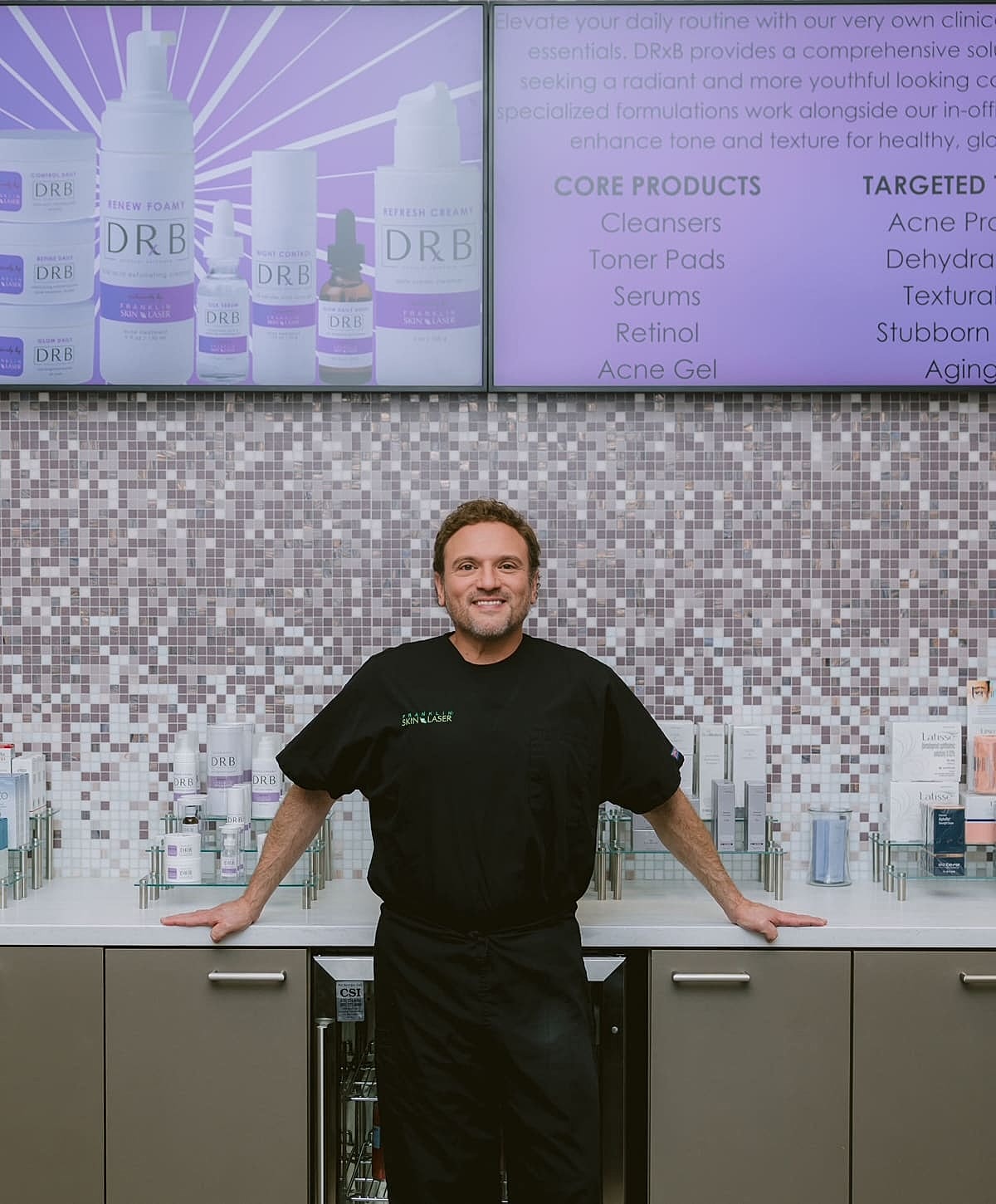
Steven Bengelsdorf, M.D., F.A.C.S., is a board-certified surgeon and the medical director of Franklin Skin and Laser in Franklin, Tennessee.
With more than 20 years of experience, he specializes in non-invasive aesthetic care, cosmetic dermatology, and energy-based treatments. Dr. Bengelsdorf is a Fellow of the American College of Surgeons and the American Society for Laser Medicine and Surgery. He supervises the practice’s licensed nurses and medical aestheticians, helping ensure that each treatment plan reflects the patient’s skin, goals, medical history, and safety needs.
Schedule a consultation with the team at Franklin Skin and Laser today by calling us at (615) 595-8177 or by filling out our online consultation form.