Published
6 minute read

Photorejuvenation and laser skin resurfacing are often discussed as if they are interchangeable, but they serve very different purposes. The clearest way to separate them is to ask what you want to change: unwanted colour or uneven texture.
Brown spots, visible vessels, and persistent redness are primarily colour concerns. Roughness, fine lines, acne scars, and the appearance of enlarged pores are texture concerns. Sun damage can create both, so treatment may require a sequence of devices.
One distinction is worth clearing up at the start. Photorejuvenation describes an objective: skin rejuvenation that improves visible signs of excessive sun exposure, redness, and pigmentation issues. No single machine defines it. Treatment may use targeted medical lasers or broad-spectrum light, depending on the skin concerns.
No. IPL, which stands for intense pulsed light, delivers broad-spectrum light energy across a range of emitted wavelengths. BBL is an advanced form of pulsed-light technology. Neither is technically a laser. A laser produces a more specific beam of light, which lets us select a particular target and treatment depth with greater precision.
BBL HEROic is used mainly for pigmented lesions, vascular lesions, and signs of sun damage. It can also support collagen stimulation, although its role remains different from resurfacing. Laser resurfacing creates controlled injury in microscopic areas of the skin so that collagen production and renewed surface tissue develop as the skin heals. Its main job is structural change.
The useful question is what absorbs the energy. Brown pigment, blood vessels, and water in skin tissue are different targets; a device suited to one may be a poor match for another.
When someone wants a more even skin tone, we first separate brown from red. Brown spots and freckles contain excess melanin. Redness may come from small visible vessels, rosacea, or diffuse flushing. Those concerns do not always respond to the same wavelength, even when they appear in the same area.
Photorejuvenation can be useful here. A targeted laser may be selected for a specific vessel or pigment problem. BBL HEROic can treat a broader field of scattered brown and red discolouration. Brown spots may temporarily darken before they flake or fade, while redness and mild swelling usually settle as the skin recovers.
Melasma requires extra care. Heat and light can aggravate it in some people, and a tan changes how much energy the skin absorbs. We consider the pattern of pigment, natural skin tone, recent sun exposure, and history of darkening before recommending any light-based treatment. Treating every brown patch as ordinary sun damage is an avoidable mistake.
Texture problems usually need a treatment that prompts repair below the visible surface. Fractional laser resurfacing creates narrow treatment zones while leaving surrounding tissue intact. As the treated area heals, collagen remodeling and new collagen formation gradually improve skin texture. This can soften fine lines, roughness, acne scars, and enlarged pores.
Laser resurfacing includes ablative lasers and non-ablative lasers, with adjustable depth and density. A lighter session may mean a shorter recovery and subtler improvement; deeper treatment may address damage in deeper layers but requires more healing time. The strongest setting can add recovery without adding useful improvement. The useful setting fits the skin condition, desired degree of change, and recovery time a person can accommodate.
It depends on what the sun has changed. If the main evidence is age spots, freckles, brown patches, or visible redness, a colour-focused treatment is usually the more logical starting point. If sun-damaged skin has become coarse, lined, or uneven, resurfacing may offer more meaningful improvement. Many people have both.
This is why “sun damage” is too broad to serve as a treatment plan. A photorejuvenation treatment may clear brown spots without doing enough for etched lines. Resurfacing may improve roughness while leaving some vessels or pigment behind. Treating the dominant concern first often makes the remaining problem easier to judge.
Some devices sit between a simple colour-versus-texture split. UltraClear is a fractional cold-fibre laser that can address skin texture, fine lines, scars, pigment, and early loss of skin firmness at selectable intensities. It gives me a way to tailor resurfacing without automatically choosing the deepest option.
PicoWay Resolve is a non-ablative fractional laser treatment that delivers very short pulses. It leaves the outer layer intact while creating a photoacoustic effect below it. It can be considered for unwanted pigment, early textural change, fine lines, acne scars, and the appearance of pores, generally with less interruption than deeper resurfacing.
Diagnosis still directs the choice. These options expand the available treatment depths and recovery profiles, and the same device may be used differently from one person to the next.
A combined plan is useful when colour and texture are both contributing to the way the skin looks. The cosmetic procedures may be staged instead of performed on the same day. In many cases, we prefer to let the skin recover and reassess before moving to the next layer of the problem.
The order can vary. Prominent brown spots or redness may be treated first, followed later by resurfacing for roughness and lines. In another case, texture may be the priority. Skin tone, melasma, a recent tan, medications, previous reactions, available downtime, and upcoming sun exposure can all change the sequence.
Combination treatment should have a reason behind it. Adding devices for the sake of doing more increases cost, recovery, and cumulative irritation without guaranteeing a better result.
At Franklin Skin and Laser, we examine the colour, surface, and larger textural changes separately, then consider how the skin is likely to respond to heat and light. That assessment guides a personalized treatment plan, using one treatment when appropriate or a staged approach when the skin needs more.
If you are trying to choose between photorejuvenation and resurfacing, schedule a consultation. We can look at your skin directly, identify what is pigment, vascular redness, or texture, and discuss the treatment depth and recovery that fit the problem.
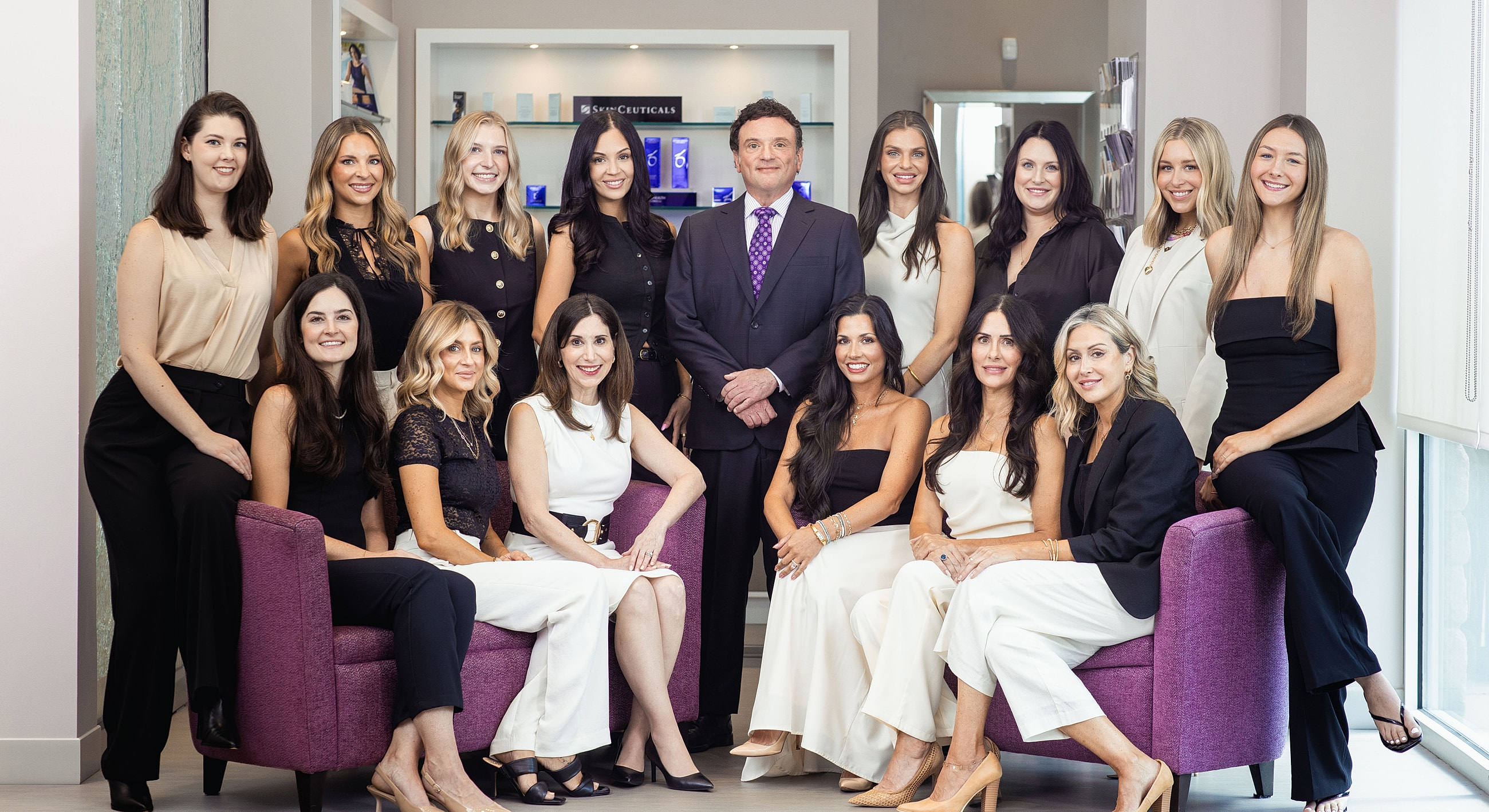
Steven Bengelsdorf, M.D., F.A.C.S., is a board-certified surgeon and the medical director of Franklin Skin and Laser in Franklin, Tennessee.
With more than 20 years of experience, he specializes in non-invasive aesthetic care, cosmetic dermatology, and energy-based treatments. Dr. Bengelsdorf is a Fellow of the American College of Surgeons and the American Society for Laser Medicine and Surgery. He supervises the practice’s licensed nurses and medical aestheticians, helping ensure that each treatment plan reflects the patient’s skin, goals, medical history, and safety needs.
Schedule a consultation with the team at Franklin Skin and Laser today by calling us at (615) 595-8177 or by filling out our online consultation form.